The Psychology of Dark Interiors
Why a black room can feel larger, calmer and more generous than the white one it replaced.
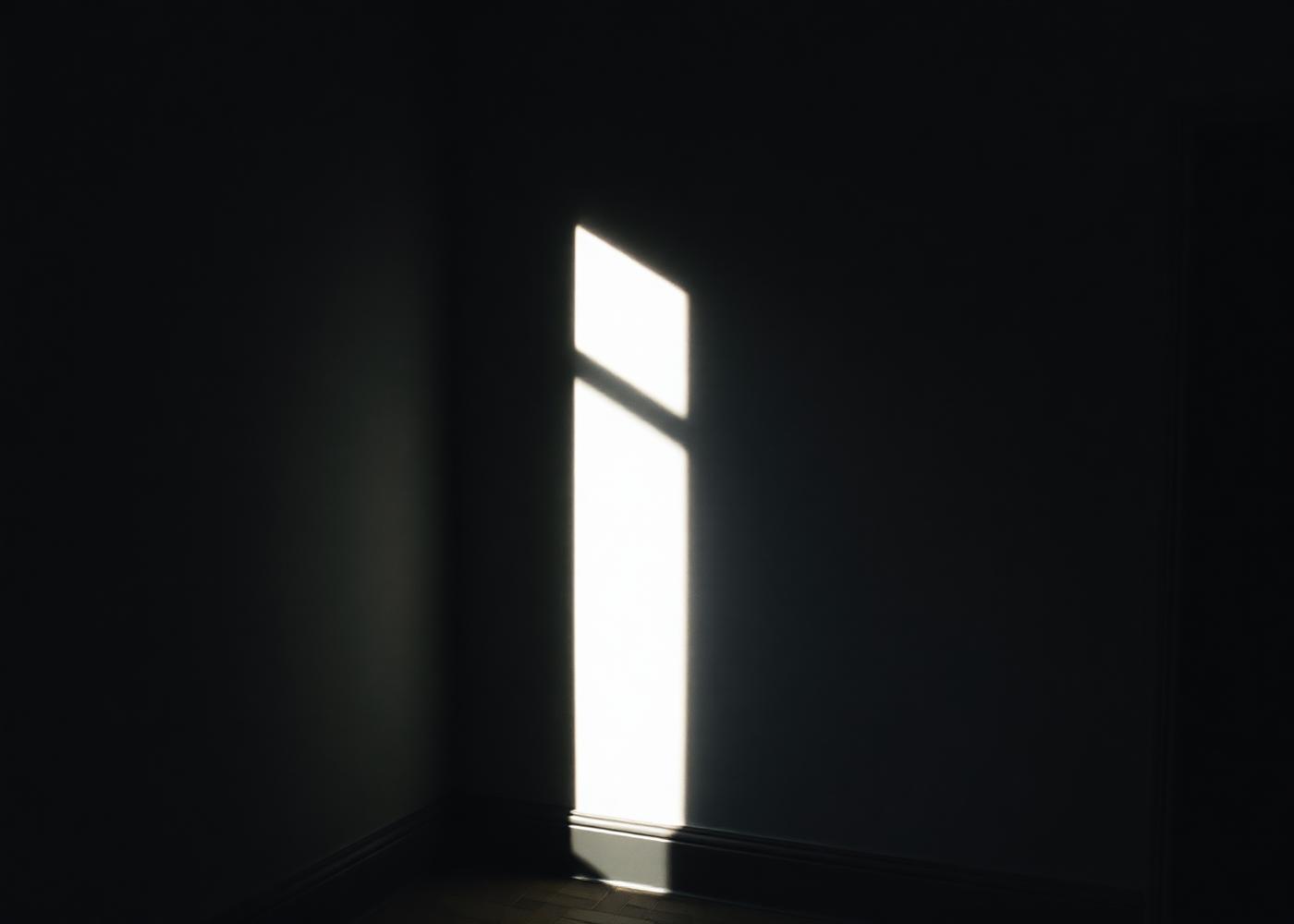
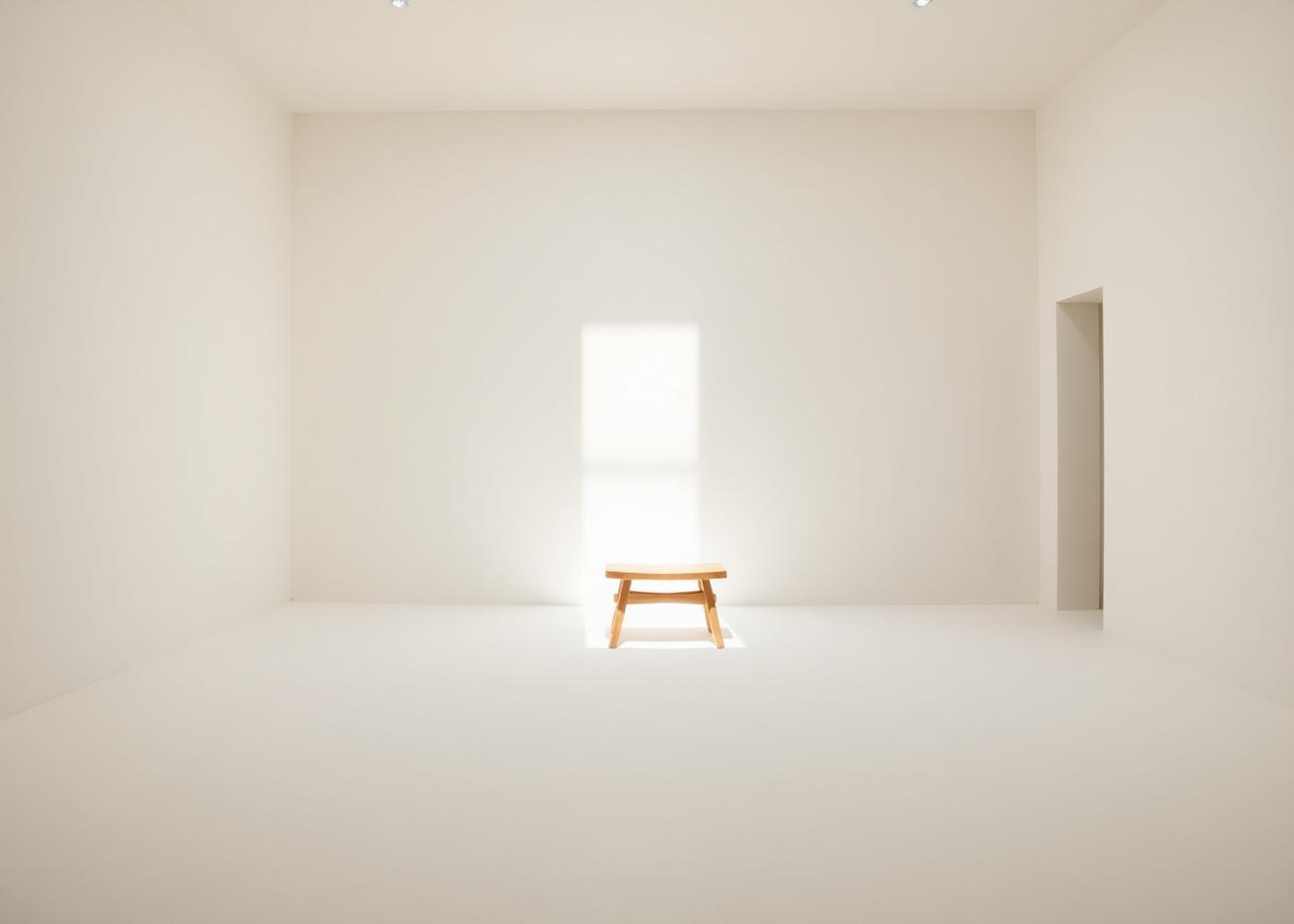
The received wisdom is that dark walls close a room in. In practice the opposite happens. A pale wall announces its distance from you; you read the corner, the join, the exact dimensions of the box you are standing in. Paint that same wall in a deep charcoal and the edges dissolve. The room stops being measurable.
What replaces measurement is atmosphere. In low-reflectance rooms the eye stops surveying and starts settling. This is why libraries, screening rooms and the best restaurants have always been dark — the space asks nothing of you.
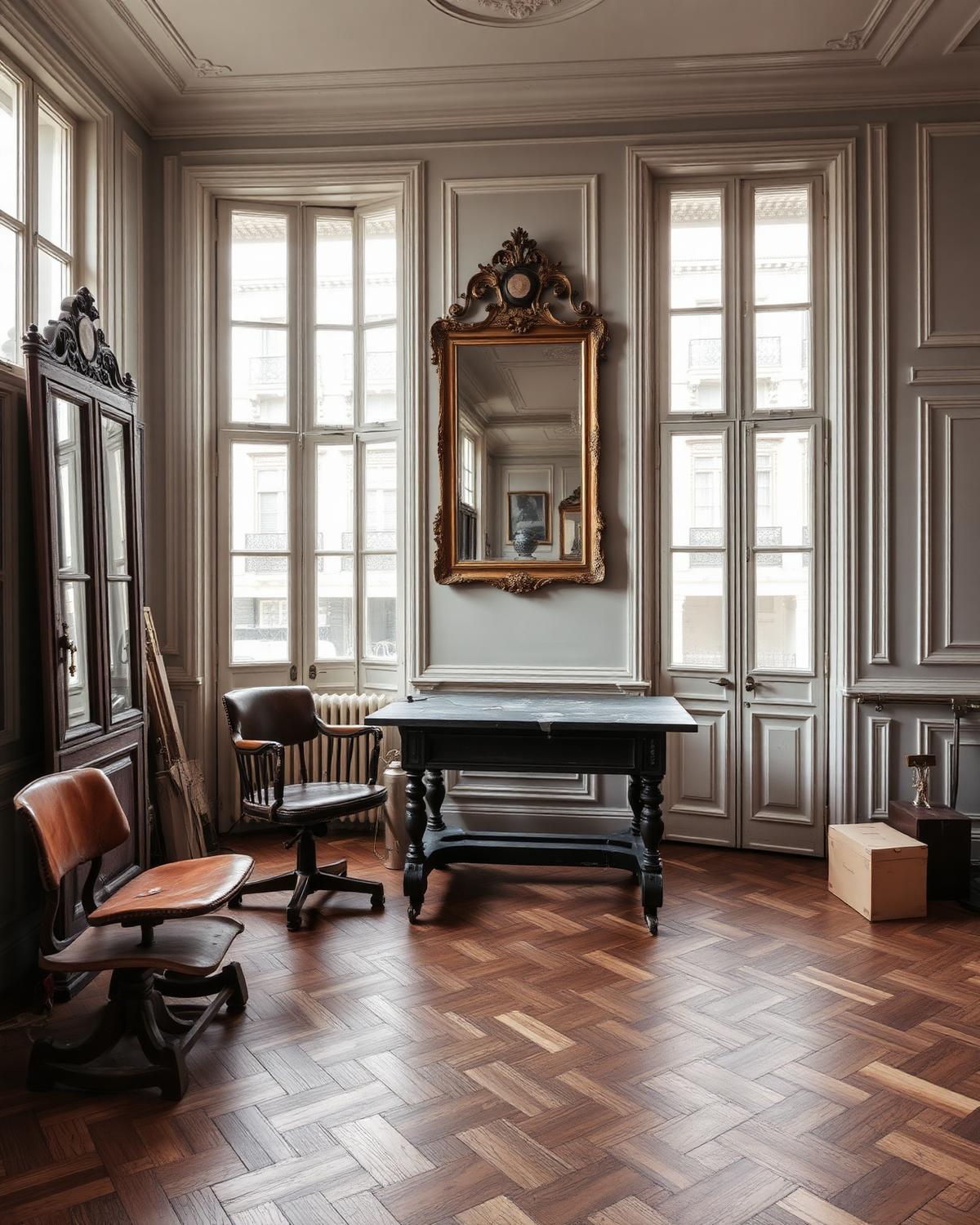
Dark interiors are also unusually forgiving. Mismatched timber, an inherited chair, a wall of unrelated frames: darkness edits them into a single silhouette. The room becomes a composition rather than an inventory.
The failure mode is flatness. A dark room needs at least three registers of light — a low warm source, a task light, and something reflective, ideally aged metal — or it turns from atmospheric to airless. Bronze, not chrome. Candle height, not ceiling height.
Choose darkness for the rooms you use at the end of the day. Let the morning rooms stay pale. A house should have a tonal arc, not a single position.